
Technology
LYHANNA CASE: WHEN JUSTICE FAILS TWICE AN EDITO ON SYSTEMIC BREAKDOWNS
JUSTICE MINISTER DARMANIN APOLOGIZED

I'm Lyhanna Banner (Source: wikimedia)
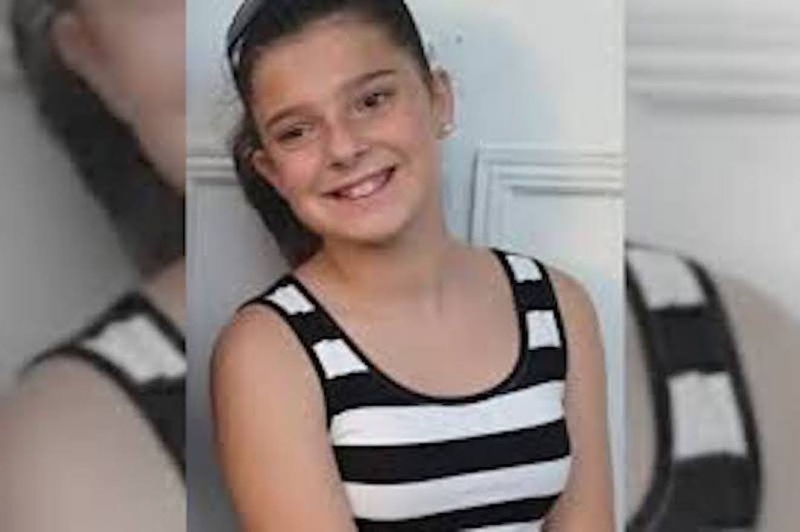
Lyhanna the 11 years old girl victim
(Source: Wikimedia)
(Source: Wikimedia)
This text does not replace courts, nor does it claim to distribute individual blame. It is an attempt to describe what so many parents, activists and citizens now see clearly: a protection system that only starts moving when a child is killed. Between the apologies of the Justice Minister, the Senate’s promise of an inquiry and the gendarmerie’s admission of “failure”, one question remains: how many warnings must be ignored before we admit that the problem is structural, not accidental?
LYHANNA CASE: A SUSPECT REPORTED FOR YEARS, ARRESTED TOO LATE
The Lyhanna affair has shocked France and exposed deep failures in the protection of children. Eleven?year?old Lyhanna was found dead in the Gers in early June 2026; the main suspect, 41?year?old Jerome Barella, has been charged and remanded in custody for kidnapping, unlawful confinement and murder of a minor. Yet Barella had already been named in multiple complaints and reports for sexual violence against young girls over several years, including a 2025 rape complaint filed by the mother of another 11 years old, Rosa.In Rosa’s case, medico?legal examinations were carried out and an investigating judge reportedly asked, in February 2026, that Barella be placed in police custody. Nevertheless, he was never interrogated before Lyhanna’s disappearance at the end of May. The mother of Rosa says she was discouraged from insisting and even warned she could herself face legal action for “harassing” law?enforcement if she continued to push. Her lawyer has now filed complaints against the State for gross negligence, arguing that the same suspect was allowed to reoffend.
The Lyhanna affair has shocked France and exposed deep failures in the protection of children. Eleven?year?old Lyhanna was found dead in the Gers in early June 2026; the main suspect, 41?year?old Jerome Barella, has been charged and remanded in custody for kidnapping, unlawful confinement and murder of a minor. Yet Barella had already been named in multiple complaints and reports for sexual violence against young girls over several years, including a 2025 rape complaint filed by the mother of another 11 years old, Rosa.In Rosa’s case, medico?legal examinations were carried out and an investigating judge reportedly asked, in February 2026, that Barella be placed in police custody. Nevertheless, he was never interrogated before Lyhanna’s disappearance at the end of May. The mother of Rosa says she was discouraged from insisting and even warned she could herself face legal action for “harassing” law?enforcement if she continued to push. Her lawyer has now filed complaints against the State for gross negligence, arguing that the same suspect was allowed to reoffend.
Justice Minister Gerald Darmanin has admitted “we have failed” and presented his apologies “in the name of Justice and as minister” to Lyhanna’s family and to French citizens “terrified by such failures”. A joint administrative investigation and a Senate inquiry commission have been announced. For many families and NGOs, however, this is not only about one man or one minister, but about a chain of institutions police, gendarmerie, prosecutors and judges that still struggle to treat violence against women and children as an absolute priority rather than a secondary task, vulnerable to lack of resources and cultural bias.
HOW THE LYHANNA CASE FAILED
The Lyhanna affair centres on the murder of an 11?year?old girl in the Gers, whose body was discovered in early June 2026. The main suspect, 41?year?old Jérôme Barella, a father and acquaintance of the family, has been charged and remanded in custody for kidnapping, unlawful confinement and murder of a minor. What shocks public opinion is not only the horror of the crime, but the fact that Barella was already the target of multiple complaints and reports for sexual violence against minors, yet had never been interrogated or placed in custody before Lyhanna’s disappearance.
The Lyhanna affair centres on the murder of an 11?year?old girl in the Gers, whose body was discovered in early June 2026. The main suspect, 41?year?old Jérôme Barella, a father and acquaintance of the family, has been charged and remanded in custody for kidnapping, unlawful confinement and murder of a minor. What shocks public opinion is not only the horror of the crime, but the fact that Barella was already the target of multiple complaints and reports for sexual violence against minors, yet had never been interrogated or placed in custody before Lyhanna’s disappearance.
A SUSPECT WITH MULTIPLE COMPLAINTS, NEVER HEARD FROM THE POLICE LAW ENFORCEMENT
According to prosecutors and media reports, Jerome Barella had been implicated in at least five, now seven, separate procedures relating to sexual violence against minors. Two were closed without further action; others remained stuck in administrative limbo, “at the bottom of the pile”. In none of these cases was he actually placed in custody or properly interrogated. For many citizens, this looks less like an isolated error than a pattern: a man repeatedly reported for rape on minors, supported by medical reports and convergent testimonies, left free until a child is found dead. Whether or not he is ultimately convicted, the institutional failure is undeniable: warnings existed, but the system did not move.
According to prosecutors and media reports, Jerome Barella had been implicated in at least five, now seven, separate procedures relating to sexual violence against minors. Two were closed without further action; others remained stuck in administrative limbo, “at the bottom of the pile”. In none of these cases was he actually placed in custody or properly interrogated. For many citizens, this looks less like an isolated error than a pattern: a man repeatedly reported for rape on minors, supported by medical reports and convergent testimonies, left free until a child is found dead. Whether or not he is ultimately convicted, the institutional failure is undeniable: warnings existed, but the system did not move.
WHAT GERALD DARMANIN, MINISTER OFJUSTICE HAS SAID, AND WHY IT IS NOT ENOUGH, DESPITE HIS SINCERITY
Faced with national outrage, Justice Minister Gerald Darmanin went on television to admit that “we have failed” and to present his apologies “in the name of Justice and as minister” to Lyhanna’s family and to French people “terrified by such failures”. He promised to “draw all the consequences”, and an administrative investigation has been launched, alongside a Senate inquiry commission. But for the mothers of Rosa and other alleged victims, apologies are not enough. Their daughters spent hours describing their trauma to investigators; medical reports were filed; judges issued instructions. The gap is not at the level of words—it is at the level of actions that never followed.
Faced with national outrage, Justice Minister Gerald Darmanin went on television to admit that “we have failed” and to present his apologies “in the name of Justice and as minister” to Lyhanna’s family and to French people “terrified by such failures”. He promised to “draw all the consequences”, and an administrative investigation has been launched, alongside a Senate inquiry commission. But for the mothers of Rosa and other alleged victims, apologies are not enough. Their daughters spent hours describing their trauma to investigators; medical reports were filed; judges issued instructions. The gap is not at the level of words—it is at the level of actions that never followed.
WHY THE INTERIOR MINISTRY IS ALSO ON TRIAL
Dominique Verien insists that this is not only a judicial problem. In her view, the gendarmerie’s handling of cases involving women and children varies dramatically depending on local commanders. In some units, these cases are treated as priorities; in others, they are quietly downgraded, especially when resources are limited and officers must “prioritise what seems most important to them”. When an investigating judge orders a custody measure and nothing happens for months, the failure lies squarely on the side of law enforcement. That is why she considers the Interior Ministry “entirely concerned” by the Lyhanna case and wants the Senate commission to examine every link in the chain, from complaints to field execution.
Dominique Verien insists that this is not only a judicial problem. In her view, the gendarmerie’s handling of cases involving women and children varies dramatically depending on local commanders. In some units, these cases are treated as priorities; in others, they are quietly downgraded, especially when resources are limited and officers must “prioritise what seems most important to them”. When an investigating judge orders a custody measure and nothing happens for months, the failure lies squarely on the side of law enforcement. That is why she considers the Interior Ministry “entirely concerned” by the Lyhanna case and wants the Senate commission to examine every link in the chain, from complaints to field execution.
DOMINIQUE VERIEN IS A CENTRIST FRENCH SENATOR DEFENDING WOMEN'S RIGHTS
Dominique Verien is a centrist French senator for the Yonne department and chair of the Senate Delegation for Women’s Rights and Equal Opportunities. She sits on the Law Committee and has built a reputation as a watchdog on violence against women and children, particularly in rural areas. In the Lyhanna case, she is one of the first to insist that responsibility does not stop at the Justice Ministry: according to her, the Interior Ministry and the gendarmerie must also be held accountable for what happened or rather, for what did not happen.
Dominique Verien is a centrist French senator for the Yonne department and chair of the Senate Delegation for Women’s Rights and Equal Opportunities. She sits on the Law Committee and has built a reputation as a watchdog on violence against women and children, particularly in rural areas. In the Lyhanna case, she is one of the first to insist that responsibility does not stop at the Justice Ministry: according to her, the Interior Ministry and the gendarmerie must also be held accountable for what happened or rather, for what did not happen.
FROM INDIVIDUAL TRAGEDY TO SYSTEMIC QUESTION
Beyond the names and responsibilities, the Lyhanna affair raises uncomfortable questions: how many other “Rosa” cases have been closed for lack of time, staff or belief in the victims’ words? How many files involving minors and sexual violence are deprioritised compared with other offences? And how often does the justice system only move when a child dies? The public anger is not only emotional; it is rational. Citizens can legitimately wonder whether some suspects enjoy de facto protection through inertia, delays or local networks especially when members of the same family are themselves under investigation for similar crimes.
Beyond the names and responsibilities, the Lyhanna affair raises uncomfortable questions: how many other “Rosa” cases have been closed for lack of time, staff or belief in the victims’ words? How many files involving minors and sexual violence are deprioritised compared with other offences? And how often does the justice system only move when a child dies? The public anger is not only emotional; it is rational. Citizens can legitimately wonder whether some suspects enjoy de facto protection through inertia, delays or local networks especially when members of the same family are themselves under investigation for similar crimes.
THE LIMITS OF APOLOGIES AND THE NEED FOR STRUCTURAL REFORM
Apologies from a minister, however necessary, do not by themselves restore trust. The mother of Rosa speaks of “nothing being done” after her complaint; the mother of Lyhanna lives with the unbearable feeling that her daughter could have been protected if the system had acted in time. For NGOs, feminist groups and child?protection associations, the Lyhanna case is not an isolated “incident” but the symptom of a broader failure: a justice and policing model that still treats violence against women and children as a secondary priority, vulnerable to budget cuts, staff shortages and cultural biases.
Apologies from a minister, however necessary, do not by themselves restore trust. The mother of Rosa speaks of “nothing being done” after her complaint; the mother of Lyhanna lives with the unbearable feeling that her daughter could have been protected if the system had acted in time. For NGOs, feminist groups and child?protection associations, the Lyhanna case is not an isolated “incident” but the symptom of a broader failure: a justice and policing model that still treats violence against women and children as a secondary priority, vulnerable to budget cuts, staff shortages and cultural biases.
BETWEEN NATIONAL SHOCK AND THE DEMAND FOR ACCOUNTABILITY
This editorial does not claim to pronounce verdicts in place of the courts. But it does affirm one clear conclusion: when a suspect is repeatedly reported for rape on minors, when judges issue orders, when medico?legal evidence exists, and still nothing happens until a child is killed, the system has failed in its most basic mission protection. The Lyhanna affair will be a test: either France accepts that this is “just one more tragedy” and moves on, or it treats it as a turning point, forcing structural reforms in how complaints are processed, how law?enforcement priorities are set and how children’s voices are heard.
This editorial does not claim to pronounce verdicts in place of the courts. But it does affirm one clear conclusion: when a suspect is repeatedly reported for rape on minors, when judges issue orders, when medico?legal evidence exists, and still nothing happens until a child is killed, the system has failed in its most basic mission protection. The Lyhanna affair will be a test: either France accepts that this is “just one more tragedy” and moves on, or it treats it as a turning point, forcing structural reforms in how complaints are processed, how law?enforcement priorities are set and how children’s voices are heard.
EDITORIAL DISCLAIMER
This article is an editorial analysis and reflects the author’s interpretation of the Lyhanna case based on publicly available information and official statements. It does not claim to establish individual criminal responsibility but to highlight systemic failures in the protection of children and the functioning of the criminal justice chain. The views expressed are those of the author and do not necessarily represent the official position of any institution.
All facts mentioned are drawn from public sources, including judicial authorities, government statements, parliamentary debates, press reports and interviews with families and representatives. Any error or omission is unintentional and may be corrected upon presentation of documented evidence.
This article is an editorial analysis and reflects the author’s interpretation of the Lyhanna case based on publicly available information and official statements. It does not claim to establish individual criminal responsibility but to highlight systemic failures in the protection of children and the functioning of the criminal justice chain. The views expressed are those of the author and do not necessarily represent the official position of any institution.
All facts mentioned are drawn from public sources, including judicial authorities, government statements, parliamentary debates, press reports and interviews with families and representatives. Any error or omission is unintentional and may be corrected upon presentation of documented evidence.
SOURCES ( NON EXHAUSTIVE) Official biography and statements of Senator Dominique Verien (French Senate and Public Sénat); public press conferences and communiqués from the Auch public prosecutor’s office and French law enforcement authorities concerning the Lyhanna case; French and international media reports (including France Télévisions, TF1 Info, RTL, Ouest France, Europe 1, BBC and online outlets) on the complaints and investigations involving Jerome Barella and his relatives, as well as public statements by Justice Minister Gerald Darmanin and senior gendarmerie officials.
Liability for this article lies with the author, who also holds the copyright. Editorial content from USPA may be quoted on other websites as long as the quote comprises no more than 5% of the entire text, is marked as such and the source is named (via hyperlink).