Politics
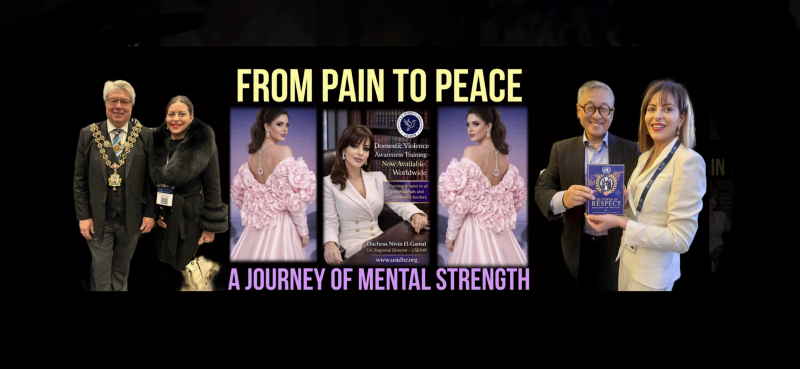
A Journey of Mental Strength, From Pain to Peace
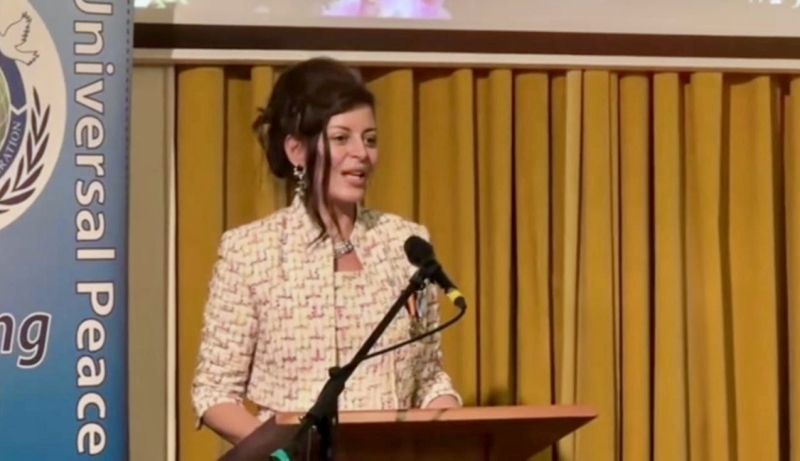
The Iron Lady DUCHESS NIVIN ELGAMAL
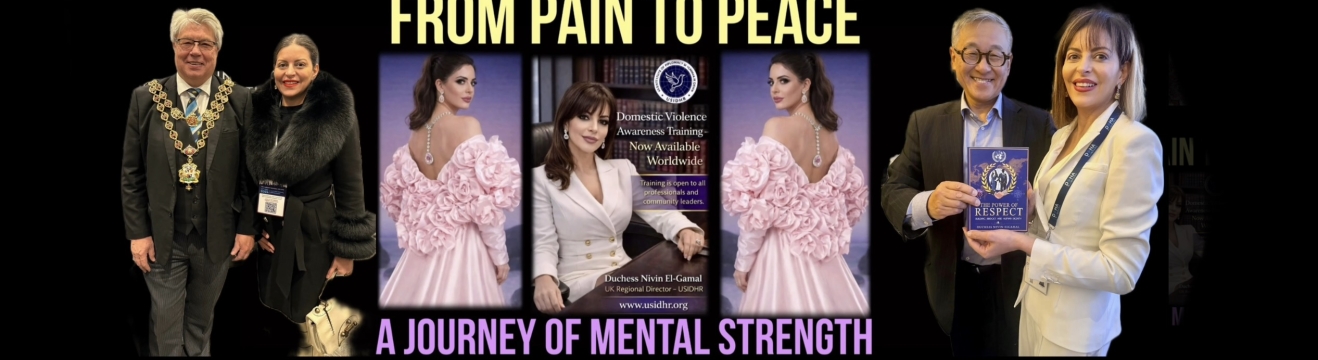
A (Source: Ak)
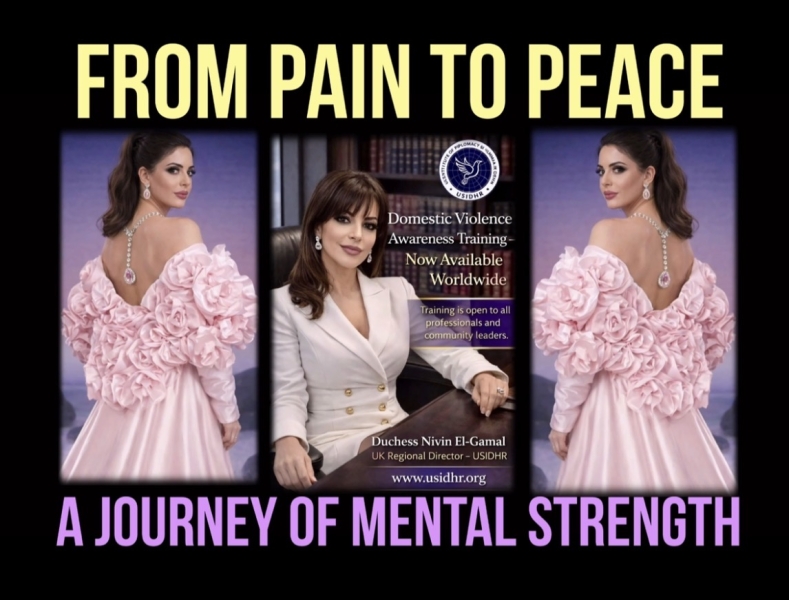
B
(Source: Ak)
(Source: Ak)
Good afternoon,
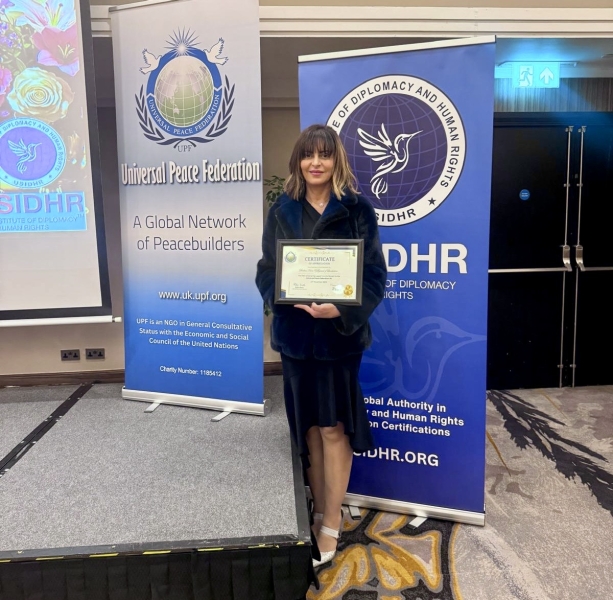
and thank you to the Universal Peace Federation for creating a space where mental health can be spoken about with honesty, compassion, and courage.
Today, I am not speaking from a title or a position.
I am speaking as a woman who has survived her own mind.
For a long time, my life looked strong from the outside.
But inside, I was living with pain I could not explain — and at times, still cannot.
There are things about my early childhood that I still cannot fully remember — and that, in itself, tells a story.
I did not speak until I was around four years old. I believe now that I was in shock. Fear was my first language. Silence was my protection.
My early years were marked by constant terror. I lived in an environment where punishment was severe and unpredictable. I learned very early that speaking, moving, or even making a sound could lead to harm. At the table, I could not speak. In the car, I could not even cough. When I heard the keys in the door, I ran to my bed and pretended to sleep — because night meant fear, and fear meant survival.
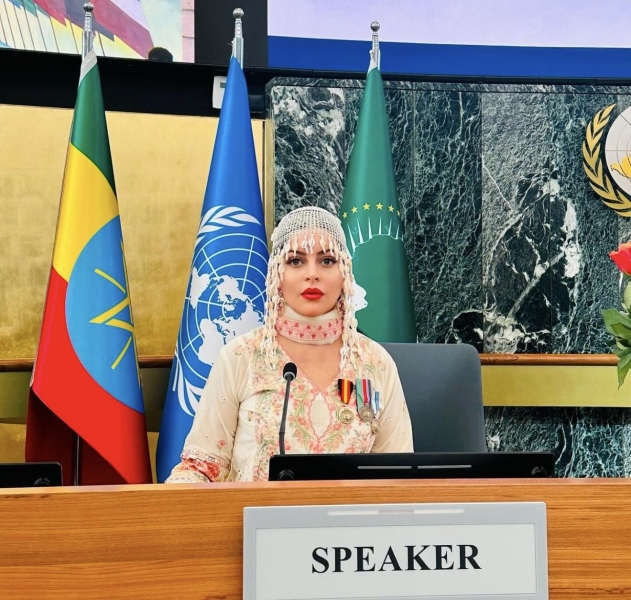
C
Source: Ak
Source: Ak
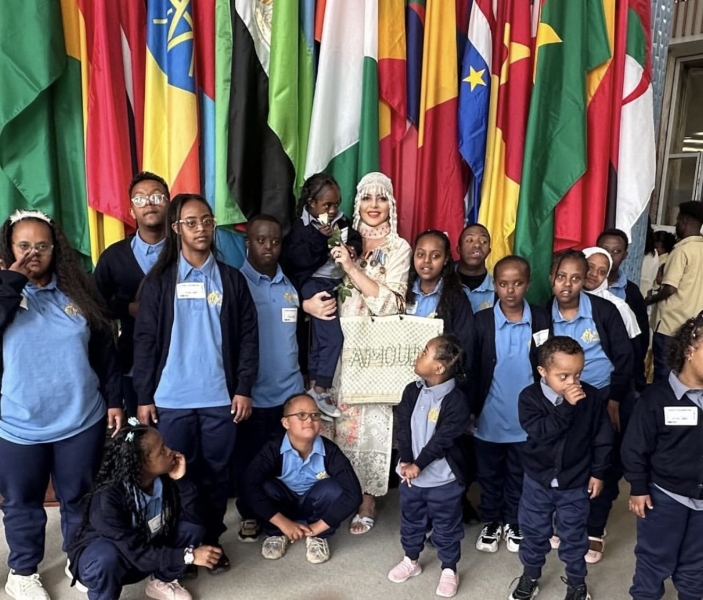
D
Source: Ak
Source: Ak
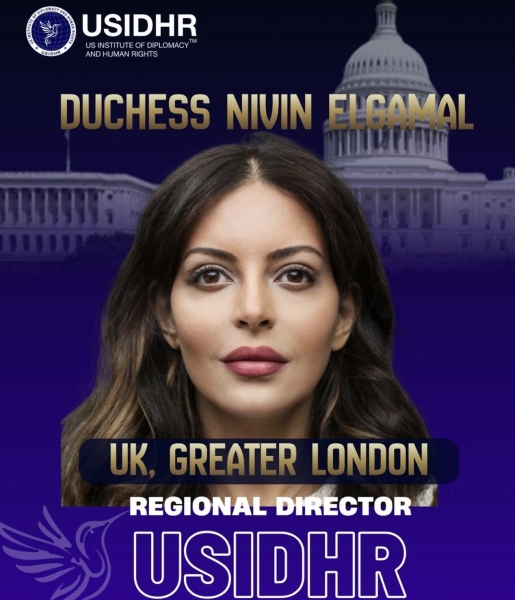
E
Source: Ak
Source: Ak
I was born in Giza, Cairo, I lived there the first few years of my life though I remember little of those early years. I have some kind moments, which is in my memory My grandmother — my mother’s side — was often the one who fed and cared for me and she died when I was five or six years old. Then moved to mansoura I lived in constant fear of conflict between my parents’ families, and especially of my father. Fear shaped my nervous system before I had words to describe it. My father’s family did not accept my mother or her family. Like many noble families of that era in Egypt — particularly those of Albanian origin between 1769 and 1953 — there was a social resistance to marriage outside their lineage. My mother was fully Egyptian, and this difference created a lasting complexity within the family.
My mother comes from a well-established Egyptian family from Mansoura that played a significant role in the cement and concrete industry, contributing to the building and infrastructure of Egypt during that period.
My mother comes from a well-established Egyptian family from Mansoura that played a significant role in the cement and concrete industry, contributing to the building and infrastructure of Egypt during that period.
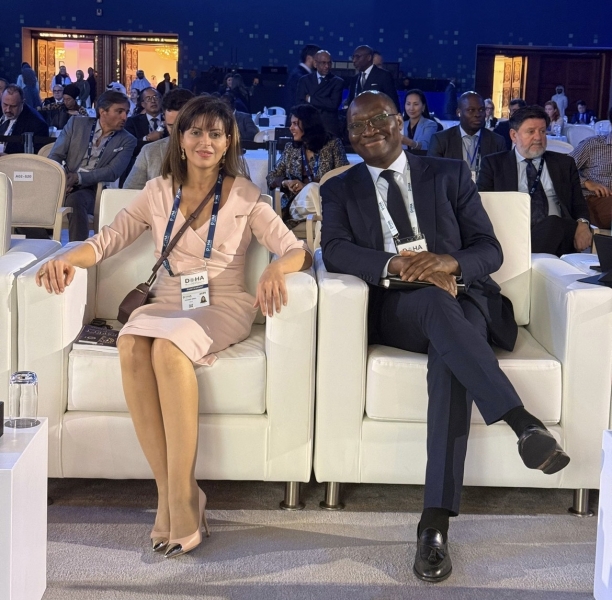
At school, I was quiet, withdrawn, and socially isolated. I always chose to set at the back of the class, hiding pain I did not know how to explain. In our culture, speaking about abuse was shameful — so silence became normal. Teachers saw me a quiet child. No one saw the pain & fear. She saw me as a quiet child who’s struggling to speak.
Later, when I moved to Alexandria arround 13 years old, a different pressure appeared. I was growing up, I was visible, and my family was wealthy. From the outside, it looked like I had everything. Inside, I was still carrying fear and silence. I focused entirely on my studies. I achieved high academic results and found refuge in art. I graduated from the Faculty of Fine Arts. Creativity became my language when speech still felt dangerous.
From a young age, I was quietly preparing to escape. I opened my own bank account. I prepared visas. I already knew London well — I had visited many times. But leaving Egypt as a woman was not simple. The law required permission from a father, and later from a husband. It was a man’s system.
Later, when I moved to Alexandria arround 13 years old, a different pressure appeared. I was growing up, I was visible, and my family was wealthy. From the outside, it looked like I had everything. Inside, I was still carrying fear and silence. I focused entirely on my studies. I achieved high academic results and found refuge in art. I graduated from the Faculty of Fine Arts. Creativity became my language when speech still felt dangerous.
From a young age, I was quietly preparing to escape. I opened my own bank account. I prepared visas. I already knew London well — I had visited many times. But leaving Egypt as a woman was not simple. The law required permission from a father, and later from a husband. It was a man’s system.
For me, the idea of marriage felt like entering a prison. I was constantly presented as a “pretty girl” — coming from a catalogue image, praised for my beauty, pedigree, and background, as if I were a résumé rather than a human being. I received countless arranged marriage proposals, and yet I became known as “the runaway bride,” criticised for spending excessively on clothes and for refusing what others called rare opportunities.
In my refusals, I was portrayed as ungrateful — as someone rejecting offers that “no other girl would dare refuse.” What no one saw was the pain I carried inside, or the quiet truth that I was already planning my escape.
When I first managed to leave for London, I wrote a letter to my father and left it in my bedroom. Alongside it, I cut my Gold American Express cards into small pieces and wrote what I could never say aloud — that every penny he had ever spent on me, I would return.
I left my country to escape abuse.
I arrived in the United Kingdom with nothing — no home, no safety net, no certainty.
In my refusals, I was portrayed as ungrateful — as someone rejecting offers that “no other girl would dare refuse.” What no one saw was the pain I carried inside, or the quiet truth that I was already planning my escape.
When I first managed to leave for London, I wrote a letter to my father and left it in my bedroom. Alongside it, I cut my Gold American Express cards into small pieces and wrote what I could never say aloud — that every penny he had ever spent on me, I would return.
I left my country to escape abuse.
I arrived in the United Kingdom with nothing — no home, no safety net, no certainty.

I chose homelessness over comfort without dignity, because freedom, even when fragile, is worth more than security built on control.
That choice saved my life. And it informs my work today.
Naively, I contacted a relative to say that I was safe. My whereabouts were passed on, and I was taken back against my will. But I did not give up. A few months later, I escaped again — and this time, I stayed.
For the past 25 years, the United Kingdom has been my home. I arrived with nothing. I chose homelessness over a life without dignity. I studied, worked, regularised my immigration status, and rebuilt my life from the ground up.
Later, I fell in love and married. I did not share my past — not because I was dishonest, but because I was ashamed and still learning how to speak. We had a son. But when pressure came from his family, my husband did not protect me. I discovered another pattern: love without safety is not love.
From that point, my life became a cycle of legal battles, instability, and survival. I have been in and out of court since 2009. In 2017, there was a fire in my home — another trauma, another forced move, another fight for basic rights. I endured all of this alone.
That choice saved my life. And it informs my work today.
Naively, I contacted a relative to say that I was safe. My whereabouts were passed on, and I was taken back against my will. But I did not give up. A few months later, I escaped again — and this time, I stayed.
For the past 25 years, the United Kingdom has been my home. I arrived with nothing. I chose homelessness over a life without dignity. I studied, worked, regularised my immigration status, and rebuilt my life from the ground up.
Later, I fell in love and married. I did not share my past — not because I was dishonest, but because I was ashamed and still learning how to speak. We had a son. But when pressure came from his family, my husband did not protect me. I discovered another pattern: love without safety is not love.
From that point, my life became a cycle of legal battles, instability, and survival. I have been in and out of court since 2009. In 2017, there was a fire in my home — another trauma, another forced move, another fight for basic rights. I endured all of this alone.
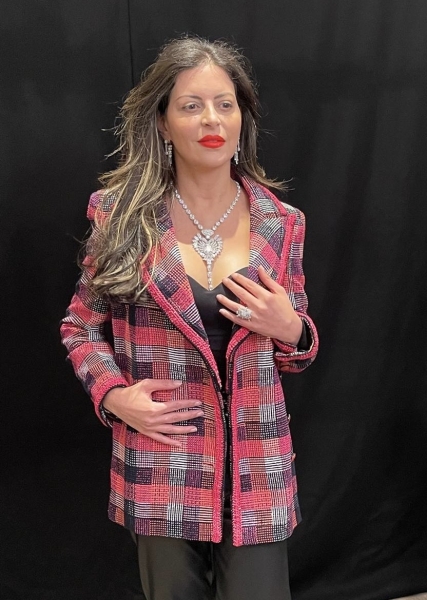
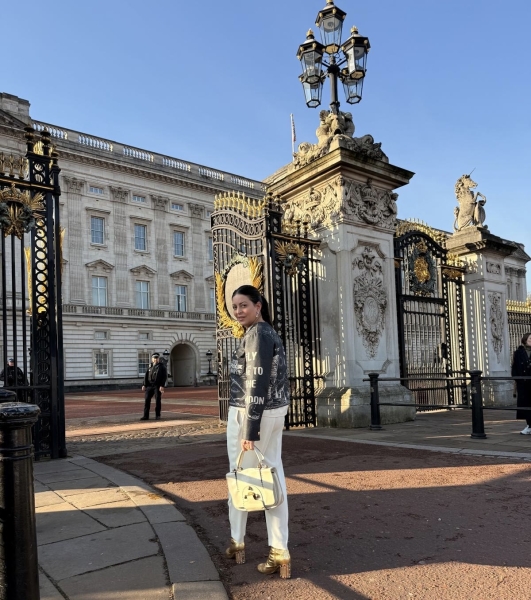
During this period, my health collapsed. I developed serious physical illnesses alongside long-standing depression and PTSD. I was diagnosed with thyroid cancer. I required major knee surgery. I suffered from high blood pressure, thrombosis, chronic pain, and severe exhaustion. Trauma lived not only in my memories, but in my body.
Later, I entered another relationship that I believed might bring stability. Instead, it brought further harm. I questioned unexplained cash, bank notes with serial number, secrecy, and control — and when I asked questions, everything changed. My documents were taken. My passport stollen. My reputation was attacked. Private images were shared without my consent. I found myself facing false accusations while already broken.
At my lowest point, overwhelmed and desperate for safety, I made a mistake: I trusted the wrong person in authority, hoping for help. I was vulnerable. I was exhausted. I wanted protection. When I realised what was happening, I removed myself — but I learned again how trauma can impair judgment, especially when fear has been a lifelong companion. And don’t understand me wrong In my religion and cultural understanding,
Later, I entered another relationship that I believed might bring stability. Instead, it brought further harm. I questioned unexplained cash, bank notes with serial number, secrecy, and control — and when I asked questions, everything changed. My documents were taken. My passport stollen. My reputation was attacked. Private images were shared without my consent. I found myself facing false accusations while already broken.
At my lowest point, overwhelmed and desperate for safety, I made a mistake: I trusted the wrong person in authority, hoping for help. I was vulnerable. I was exhausted. I wanted protection. When I realised what was happening, I removed myself — but I learned again how trauma can impair judgment, especially when fear has been a lifelong companion. And don’t understand me wrong In my religion and cultural understanding,
a man may be religiously permitted to marry again, up to 4 and therefore a relationship with a married man can be presented as lawful within that framework. In some countries, this also requires the knowledge or permission of the first wife approval, this situation wasn’t me I pulled myself out in weeks.
However, religious permission does not remove the moral responsibility of honesty, protection, or accountability — and it does not excuse deception, coercion, or harm.
I am not telling this story to ask for pity.
I am telling it to explain how mental health is shaped — by childhood terror, by prolonged trauma, by systems that fail to protect, and by repeated betrayal. As well and during your pain when you find a kind hand you believe the vulnerable and false emotion, starvation for kindness can trick u mentally.
Depression and PTSD did not arrive suddenly in my life.
However, religious permission does not remove the moral responsibility of honesty, protection, or accountability — and it does not excuse deception, coercion, or harm.
I am not telling this story to ask for pity.
I am telling it to explain how mental health is shaped — by childhood terror, by prolonged trauma, by systems that fail to protect, and by repeated betrayal. As well and during your pain when you find a kind hand you believe the vulnerable and false emotion, starvation for kindness can trick u mentally.
Depression and PTSD did not arrive suddenly in my life.
They were built layer by layer, year by year I’m having treatment since 2010- The first of the two most terrifying events of my life was losing my mother in 2004. She passed away in Germany following brain surgery, after battling cancer of the nervous system. Being without her was devastating beyond words.
Alongside the grief of losing her, I carried another pain — the painful memories of fear, confusion, and suffering from earlier years. Memories that included humiliation, physical punishment, and emotional trauma remain deeply etched within me. These experiences created layers of pain that did not disappear with time.
The same complexity exists in my relationship with my father. One expects protection and safety from a parent, yet there are memories that cannot be erased. Love, fear, loss, and trauma became intertwined, leaving wounds that take a lifetime to understand and heal.
The second most terrifying experience of my life was seeing my son confined to a hospital bed from 2010 to 2014 — a prolonged and harrowing period that remains one of the most painful chapters of my life.
Alongside the grief of losing her, I carried another pain — the painful memories of fear, confusion, and suffering from earlier years. Memories that included humiliation, physical punishment, and emotional trauma remain deeply etched within me. These experiences created layers of pain that did not disappear with time.
The same complexity exists in my relationship with my father. One expects protection and safety from a parent, yet there are memories that cannot be erased. Love, fear, loss, and trauma became intertwined, leaving wounds that take a lifetime to understand and heal.
The second most terrifying experience of my life was seeing my son confined to a hospital bed from 2010 to 2014 — a prolonged and harrowing period that remains one of the most painful chapters of my life.
During this time, his father abandoned him, depriving him not only of care but of stability and emotional security. The pain my son endured, combined with the ongoing challenges we continue to face, has forced us into years of relentless court battles. These proceedings have prevented us from breathing freely or living a normal life.
This situation is fundamentally unacceptable. The prolonged stress, instability, and legal pressure have persisted for far too long. My primary concern has always been my child’s wellbeing.
For years now, my son — now 17 — has lived under constant strain, facing continuous disruptions, unresolved issues, and an unending struggle that no young person should be forced to endure.
Of course, there were other frightening moments: arriving in a new country alone, not knowing what lay ahead, and encountering people who tried to take advantage of my vulnerability. But these two experiences, above all others, shaped the deepest fear, grief, and strength within me.
In addition to these losses, I faced years of relentless battles that I could never have imagined. I fought immigration systems that questioned my right to safety,
This situation is fundamentally unacceptable. The prolonged stress, instability, and legal pressure have persisted for far too long. My primary concern has always been my child’s wellbeing.
For years now, my son — now 17 — has lived under constant strain, facing continuous disruptions, unresolved issues, and an unending struggle that no young person should be forced to endure.
Of course, there were other frightening moments: arriving in a new country alone, not knowing what lay ahead, and encountering people who tried to take advantage of my vulnerability. But these two experiences, above all others, shaped the deepest fear, grief, and strength within me.
In addition to these losses, I faced years of relentless battles that I could never have imagined. I fought immigration systems that questioned my right to safety,
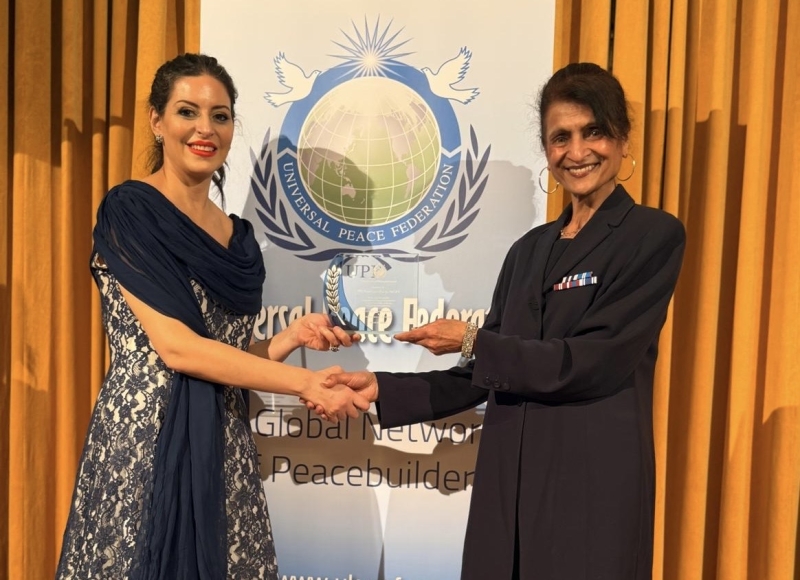
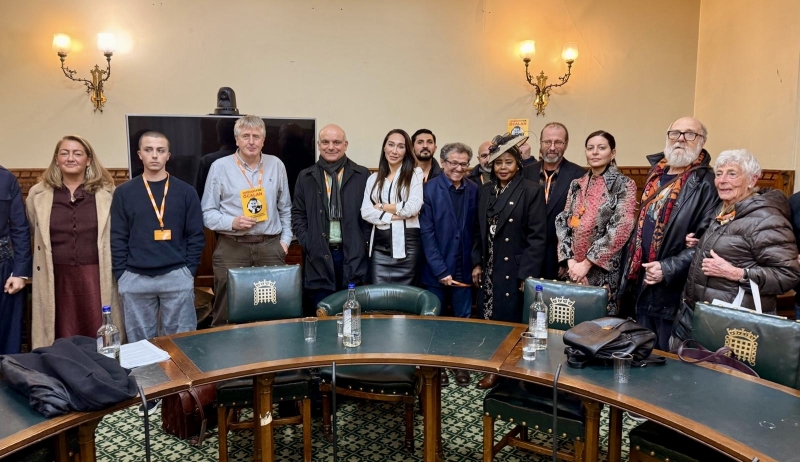
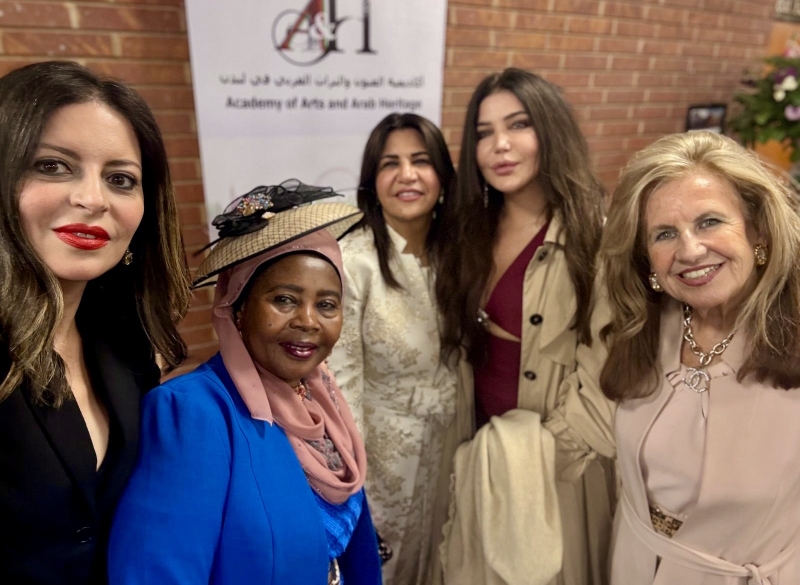
endured political pressure for standing up for myself, and was subjected to legal attacks — including court cases in Egypt based on false and incomprehensible allegations such as money laundering. They interfered with my personal immigration status by accessing my file without my consent and withholding critical citizenship correspondence, including my citizenship invitation, wanted me to lose it.
.......
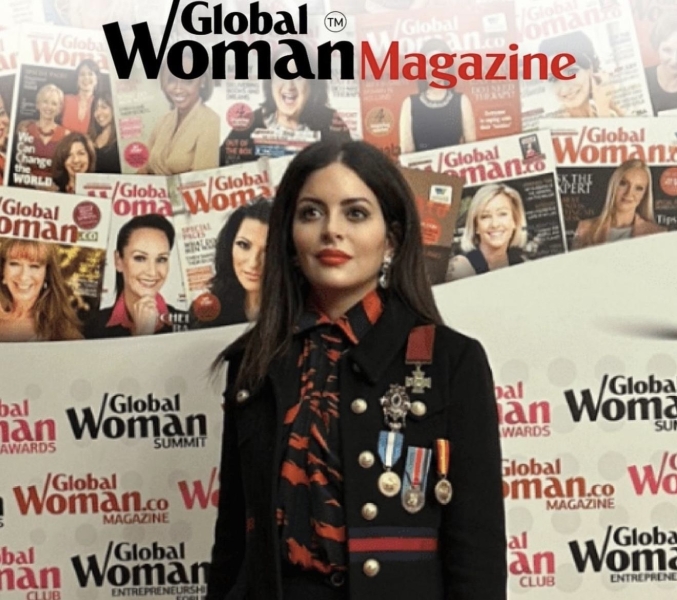
This formed part of years of instability and psychological torment. Each time I achieved success — whether in my career, through public recognition, or by receiving medals or honours — new efforts were made to undermine and break me.
I was targeted not because I was guilty of anything, but because I began to speak. Each time I asserted my voice, new accusations, obstacles, and pressures appeared.
These experiences did not happen once; they unfolded over many years. They were terrifying, exhausting, and deeply destabilising. And even now, I continue to navigate ongoing challenges.
.......
This formed part of years of instability and psychological torment. Each time I achieved success — whether in my career, through public recognition, or by receiving medals or honours — new efforts were made to undermine and break me.
I was targeted not because I was guilty of anything, but because I began to speak. Each time I asserted my voice, new accusations, obstacles, and pressures appeared.
These experiences did not happen once; they unfolded over many years. They were terrifying, exhausting, and deeply destabilising. And even now, I continue to navigate ongoing challenges.
Yet despite everything, I remain standing — shaped by what I survived, and strengthened by the refusal to be silenced.
And yet — I am still here.
I continue to choose dignity.
I continue to protect my son.
I continue to speak, even when my voice shakes.
I speak today not only as a policy advocate —
but as someone who understands, through lived experience, how abuse, control, and silence intersect.
Healing, for me, is not forgetting.
It is learning to live without silence.
Trauma does not disappear with time. It lives in the body.
It waits quietly, and even small triggers can bring it to the surface.
That is why we must learn to listen to ourselves, to recognise our limits, and to honour our boundaries.
Healing requires care — not pressure.
And survival requires knowing when to stop, when to rest, and when to protect ourselves.
Sometimes pain feels dramatic.
And sometimes it is quiet — slowly accumulating.
And yet — I am still here.
I continue to choose dignity.
I continue to protect my son.
I continue to speak, even when my voice shakes.
I speak today not only as a policy advocate —
but as someone who understands, through lived experience, how abuse, control, and silence intersect.
Healing, for me, is not forgetting.
It is learning to live without silence.
Trauma does not disappear with time. It lives in the body.
It waits quietly, and even small triggers can bring it to the surface.
That is why we must learn to listen to ourselves, to recognise our limits, and to honour our boundaries.
Healing requires care — not pressure.
And survival requires knowing when to stop, when to rest, and when to protect ourselves.
Sometimes pain feels dramatic.
And sometimes it is quiet — slowly accumulating.
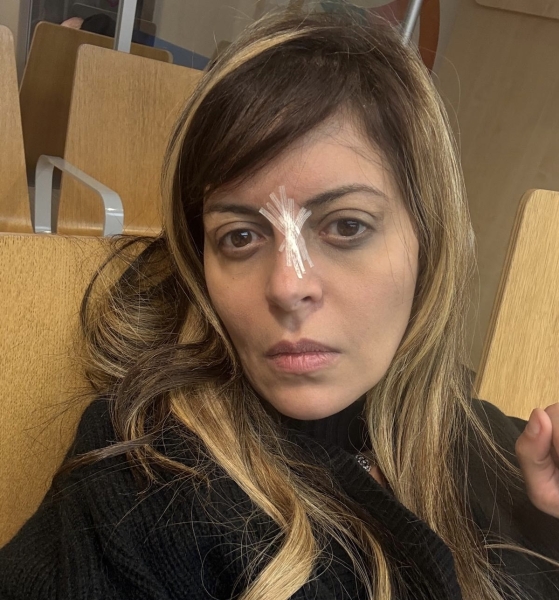
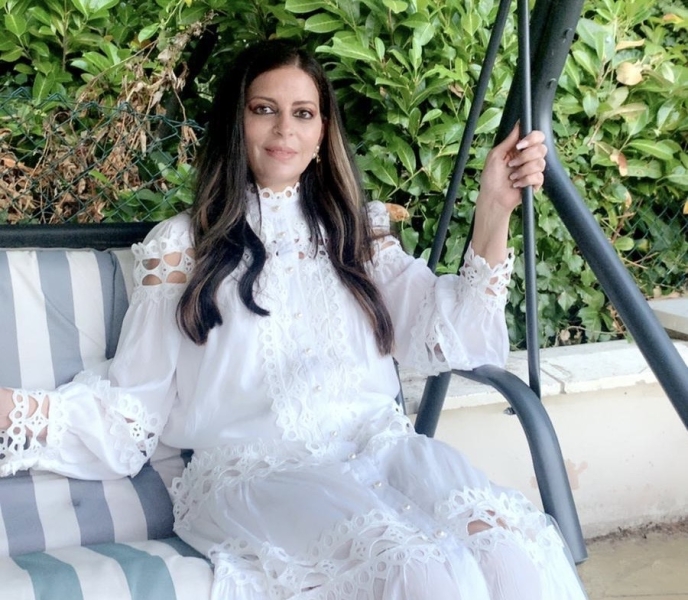
The kind of pain that makes ordinary days feel heavy
and turns nights into something frightening.
Anxiety took control of my body.
My heart raced.
My breathing became shallow.
I lived with a constant sense that something bad was about to happen — and in many moments, it did.
My passport was stolen from my home.
I experienced assault.
There was a fire in my house.
Ammonia was spread inside my home.
Fear became constant.
Not imagined — real.
And the police not doing anything I had to put a knife under my bed and close our doors specially bedrooms doors by keys - by dogs installing cameras - I’m scared and I’m still scared. Over time, I experienced patterns of control, manipulation, and financial coercion that left me deeply concerned for my safety. Money was handled in ways that felt unsafe and dehumanising. My personal documents, including my passport, were taken from my home stolen and interfered with without my consent. These events left me feeling exposed, threatened, and used. This was followed by a sustained smear campaign designed to undermine my credibility and diminish my standing.
and turns nights into something frightening.
Anxiety took control of my body.
My heart raced.
My breathing became shallow.
I lived with a constant sense that something bad was about to happen — and in many moments, it did.
My passport was stolen from my home.
I experienced assault.
There was a fire in my house.
Ammonia was spread inside my home.
Fear became constant.
Not imagined — real.
And the police not doing anything I had to put a knife under my bed and close our doors specially bedrooms doors by keys - by dogs installing cameras - I’m scared and I’m still scared. Over time, I experienced patterns of control, manipulation, and financial coercion that left me deeply concerned for my safety. Money was handled in ways that felt unsafe and dehumanising. My personal documents, including my passport, were taken from my home stolen and interfered with without my consent. These events left me feeling exposed, threatened, and used. This was followed by a sustained smear campaign designed to undermine my credibility and diminish my standing.
I came to understand that I was not treated as a wife or as a human being, but as a bridge — a means to reach others, to gain approval, influence, or advantage. What I believed was marriage was, in reality, a structure built on deception.
There is a pain only God can understand:
discovering that the man you married did not simply betray you emotionally, but worked against you — step by step, action by action for years— not out of love or conviction, but to gain the approval of another man.
Not a friend.
Not a colleague.
But a figure of power from my past — someone who had already caused deep harm in my life.
And yet, in the middle of that fear, I made a choice.
I chose to believe in God.
I chose to believe that no one can change the day written for me, or for my son.
That belief does not mean I am never afraid — it means I place my trust where fear cannot rule me.
I give God control of my life and my son’s life, even while I continue to feel human fear.
I became afraid of my surroundings.
Afraid of power being used against me.
Terrified of walking alone — even during the day.
There is a pain only God can understand:
discovering that the man you married did not simply betray you emotionally, but worked against you — step by step, action by action for years— not out of love or conviction, but to gain the approval of another man.
Not a friend.
Not a colleague.
But a figure of power from my past — someone who had already caused deep harm in my life.
And yet, in the middle of that fear, I made a choice.
I chose to believe in God.
I chose to believe that no one can change the day written for me, or for my son.
That belief does not mean I am never afraid — it means I place my trust where fear cannot rule me.
I give God control of my life and my son’s life, even while I continue to feel human fear.
I became afraid of my surroundings.
Afraid of power being used against me.
Terrified of walking alone — even during the day.
I felt trapped.
Inside my thoughts.
Inside fear.
Inside a reality where I did not feel safe.
Depression followed.
Getting out of bed felt impossible.
Being alone felt frightening.
At night, my mind would not rest.
There were periods — including now — when medication has been necessary for my body to sleep.
Not to escape life,
but simply to survive the night without panic.
There were moments when my mind whispered that disappearing might bring relief.
Not because I wanted to die —
but because I wanted the pain to stop.
I wanted the racing thoughts to quiet down,
to rest, to sleep,
to stop my mind from spiralling when it felt out of control.
I did not know another way at the time.
And I am still learning — still fighting — still choosing to stay.
Those thoughts are terrifying.
And many people experience them in silence.
What saved me was not pretending to be strong.
What saved me was telling the truth.
Something was wrong.
And many women — and children — live inside this same fear.
Inside my thoughts.
Inside fear.
Inside a reality where I did not feel safe.
Depression followed.
Getting out of bed felt impossible.
Being alone felt frightening.
At night, my mind would not rest.
There were periods — including now — when medication has been necessary for my body to sleep.
Not to escape life,
but simply to survive the night without panic.
There were moments when my mind whispered that disappearing might bring relief.
Not because I wanted to die —
but because I wanted the pain to stop.
I wanted the racing thoughts to quiet down,
to rest, to sleep,
to stop my mind from spiralling when it felt out of control.
I did not know another way at the time.
And I am still learning — still fighting — still choosing to stay.
Those thoughts are terrifying.
And many people experience them in silence.
What saved me was not pretending to be strong.
What saved me was telling the truth.
Something was wrong.
And many women — and children — live inside this same fear.
We must speak honestly about abuse, control, ego, and power.
This does not mean that all men are the problem. Men also suffer abuse, and their pain matters. Many people — men and women — are pulled into situations by emotion, pressure, or fear, not because they chose or agreed to them in normal circumstances.
I will not present fantasies of being in complete control of my life. I am human, like everyone else. I can and do make mistakes. But when I realise I am in a situation I should not be in, I take responsibility, I step back, and I review my actions.
Because silence protects harm.
And truth does not.
What helped me survive was learning how to stay in my body
when every instinct wanted to escape it.
I learned grounding.
When anxiety became unbearable, I used cold — ice on my hands, wrists, neck, sometimes ice baths.
Not to punish myself,
but to interrupt panic and bring my body back to the present.
Cold forced my nervous system to slow down.
It reminded me:
I am here.
I am alive.
This will pass.
This does not mean that all men are the problem. Men also suffer abuse, and their pain matters. Many people — men and women — are pulled into situations by emotion, pressure, or fear, not because they chose or agreed to them in normal circumstances.
I will not present fantasies of being in complete control of my life. I am human, like everyone else. I can and do make mistakes. But when I realise I am in a situation I should not be in, I take responsibility, I step back, and I review my actions.
Because silence protects harm.
And truth does not.
What helped me survive was learning how to stay in my body
when every instinct wanted to escape it.
I learned grounding.
When anxiety became unbearable, I used cold — ice on my hands, wrists, neck, sometimes ice baths.
Not to punish myself,
but to interrupt panic and bring my body back to the present.
Cold forced my nervous system to slow down.
It reminded me:
I am here.
I am alive.
This will pass.
I learned to breathe when my body resisted breathing.
I learned to sit with panic instead of running from it.
I learned that emotions are not weakness — they are signals.
I learned boundaries.
Real ones.
Sometimes peace meant walking away.
Cutting contact.
Choosing myself — even when it felt lonely.
I learned that depression lies.
It tells you that you are a burden.
That nothing will change.
That you are alone.
Those thoughts feel real —
but they are not the truth.
At one point, my story became too heavy for my mind to carry all at once.
It felt impossible that so much could happen to one person.
So I stopped trying to process everything at the same time.
I broke life into pieces.
One issue.
One fear.
One step.
I stopped replaying betrayal.
I stopped trying to understand cruelty.
Because that thinking was destroying me.
I realised something important:
I cannot control what others do.
I cannot control betrayal, abuse, or power games.
But I can control my response.
I chose not to live in hatred.
Not to drown in revenge.
Not to let what was done to me define who I become.
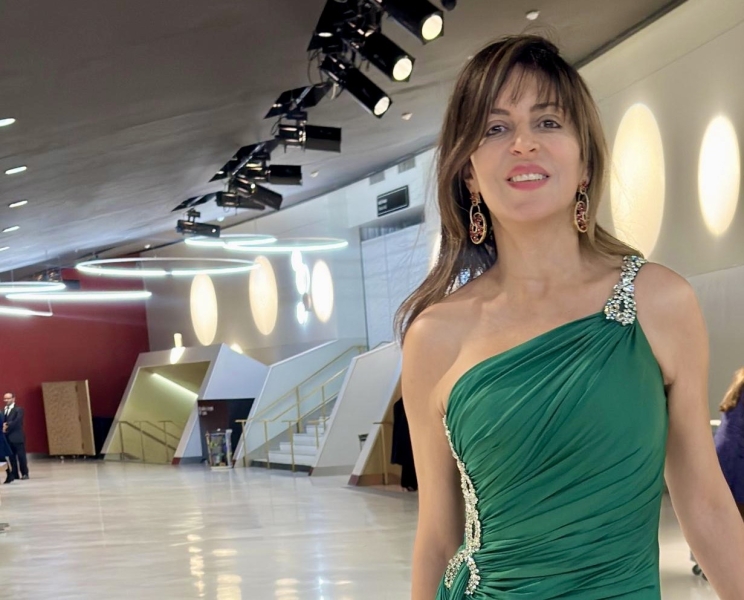
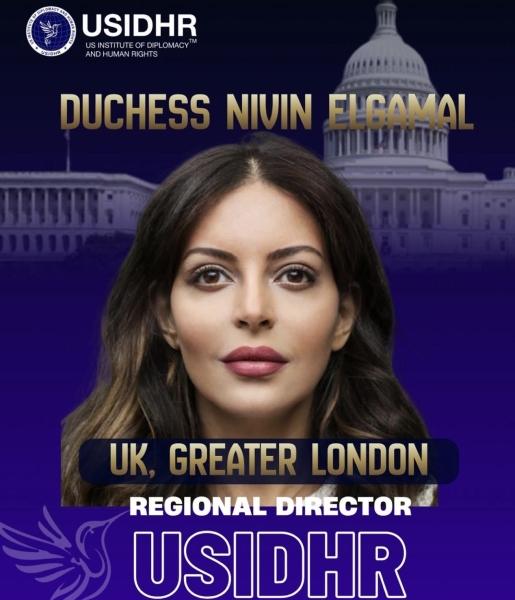
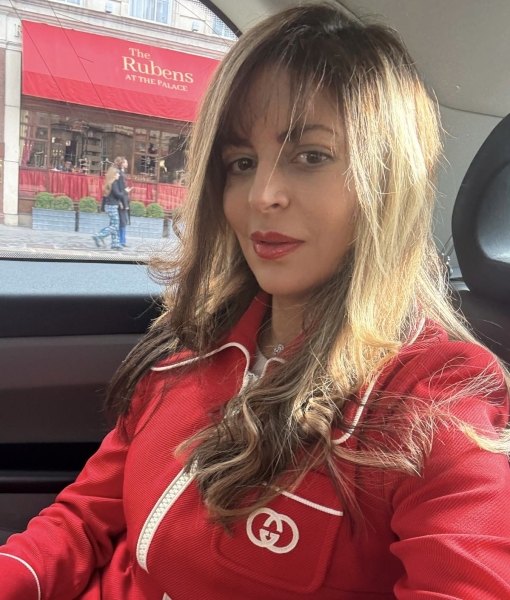
I chose to elevate myself —
with compassion,
with boundaries,
and with dignity.
That choice saved my mind.
There were days when my brain was overloaded —
legal pressure, responsibility, fear, loneliness — all at once.
Simple things became difficult.
Writing an email.
Leaving my room.
Walking outside felt unsafe — not because of danger in front of me, but because my nervous system was exhausted.
So I reduced life to the smallest possible actions.
Today, answer one message.
Today, attend one appointment.
Today, breathe through one hour.
And slowly, that became survival.
There is another truth I want to say.
I struggle with trust.
I question intentions.
I move fast — not because I am fearless, but because part of me has lived with the fear that time could run out.
And yet, alongside that fear, there is something else.
I do not want anyone to suffer.
I do not want anyone to feel abandoned, afraid, or unseen.
So I give what I have — care, time, support — even when I have little left.
Because I believe in human beings.
I believe people can be better.
That belief kept me alive.
What I know now is this:
Survival is not becoming hard.
Healing is becoming honest.
Mental strength is not silence.
It is using whatever keeps you alive — medication, grounding, therapy, faith, support — without shame.
It is choosing life again and again,
even on days when life feels unbearable.
If you are struggling today, please hear this:
You are not broken.
You are not weak.
You are not failing.
I do not want anyone to suffer.
I do not want anyone to feel abandoned, afraid, or unseen.
So I give what I have — care, time, support — even when I have little left.
Because I believe in human beings.
I believe people can be better.
That belief kept me alive.
What I know now is this:
Survival is not becoming hard.
Healing is becoming honest.
Mental strength is not silence.
It is using whatever keeps you alive — medication, grounding, therapy, faith, support — without shame.
It is choosing life again and again,
even on days when life feels unbearable.
If you are struggling today, please hear this:
You are not broken.
You are not weak.
You are not failing.
You are responding normally to abnormal levels of pain.
I stand here not because I never fell,
but because I did not give up —
even when my mind begged me to disappear.
And that is why peace matters.
Peace is not the absence of pain.
Peace is learning how to stay alive
with compassion for yourself.
There was a moment that changed everything for me.
I realised my son was losing his mother —
not physically,
but emotionally and mentally.
I stand here not because I never fell,
but because I did not give up —
even when my mind begged me to disappear.
And that is why peace matters.
Peace is not the absence of pain.
Peace is learning how to stay alive
with compassion for yourself.
There was a moment that changed everything for me.
I realised my son was losing his mother —
not physically,
but emotionally and mentally.

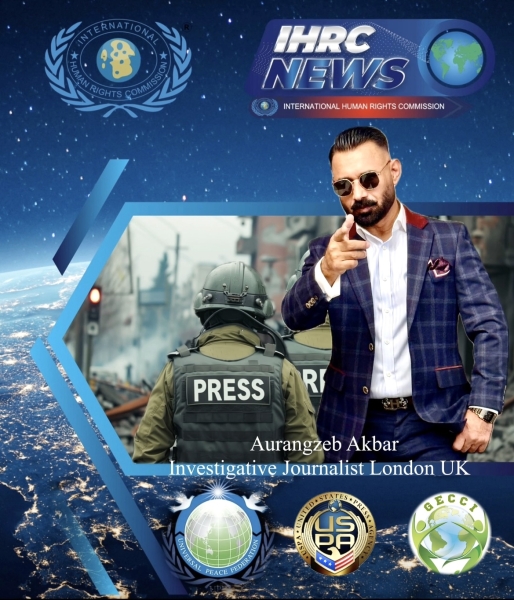
Investigative Journalist London UK
Source: Ak
Source: Ak
more information: https://aurangzeb
Liability for this article lies with the author, who also holds the copyright. Editorial content from USPA may be quoted on other websites as long as the quote comprises no more than 5% of the entire text, is marked as such and the source is named (via hyperlink).